
Best Smartwatches For Dementia Patients
As an Amazon Associate, I earn from qualifying purchases
If you are looking for the best smartwatch for someone with dementia, you have probably realized that most buying guides make the decision harder instead of easier. They often focus on technical features that do not matter much in everyday caregiving.
I look at these watches differently. The right smartwatch is not just another gadget. It can help you find a loved one if they wander, make it easier to stay in touch, and even provide extra peace of mind during the day. At the same time, I know that not every person with dementia will be comfortable wearing or using one. That is why choosing the right model matters just as much as deciding whether a smartwatch is the right fit in the first place.
In this guide, I will show you the best smartwatches for dementia patients based on comfort, safety features, ease of use, battery life, and caregiver-friendly tools. By the end, you will have a much clearer idea of which watch is worth your money and which features you can safely ignore.
Here Are the Best Smartwatches For Dementia Patients
1. Vexorium Senior Smartwatch with Fall Detection
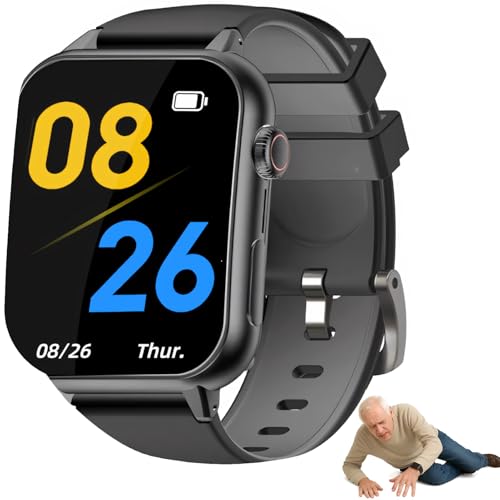
Vexorium Senior Smartwatch with Fall Detection is designed to give families a little more peace of mind when an older adult is living independently. With a 4G Nano SIM, it supports GPS tracking, calling, video communication, fall alerts, SOS alerts, and safe-zone notifications.
I like that the watch keeps its functions fairly straightforward rather than filling the screen with complicated options. The larger screen may be easier to see, although some seniors may find its toy-like appearance less appealing, and a little training may be needed to get comfortable with swiping.
Who Is This Product Best For?
This watch may suit seniors who need extra safety support, especially those with dementia or Alzheimer’s, while giving caregivers ways to stay connected and receive alerts.
Pros
- Automatic fall and SOS alerts
- Real-time GPS and safe-zone notifications
- Auto-answer mode for caregiver calls
Cons
- Requires a 4G Nano SIM card
- Larger screen may not appeal to every senior
- Some seniors may need help learning the swipe controls
2. Wsexyy Emergency Call Bracelet
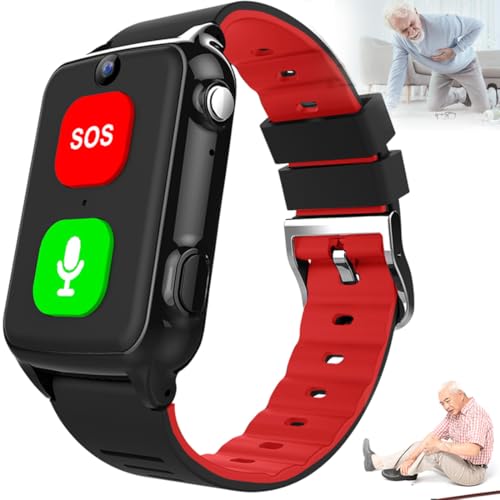
If keeping track of a loved one gives you peace of mind, this bracelet offers several helpful safety features in one simple device. I like that it combines GPS, LBS, and WiFi positioning to improve location accuracy.
The built-in SOS button can quickly contact saved family members during an emergency, while electronic geofencing alerts you if someone leaves a safe area. Activity history and body temperature monitoring also give you a better picture of daily well-being.
The IP67 waterproof design makes it practical for everyday wear. Just remember that you’ll need to buy and activate a compatible 4G SIM card, as many of the key features depend on an active data plan.
Who Is This Product Best For?
This bracelet is best for families caring for an older adult with dementia or cognitive decline who may wander or need quick access to emergency help. It’s a practical choice if you want basic real-time tracking and emergency communication without relying on a smartphone.
Pros
- Multiple positioning methods improve location accuracy.
- SOS button quickly contacts saved family members.
- Waterproof design is suitable for everyday wear.
Cons
- SIM card and active 4G data plan are required.
- Ongoing connectivity costs are not clearly explained.
- Limited independent reviews make long-term reliability harder to judge.
3. Beacon Pet Elderly GPS Smart Watch Phone (4G T5s)
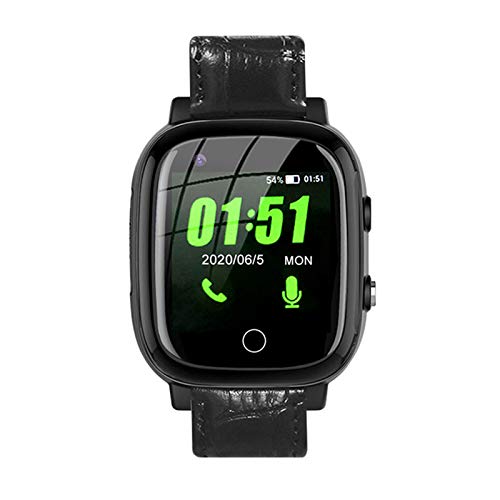
I like that this watch combines location tracking with simple safety features instead of trying to do too much. If you’re caring for someone with early-stage dementia, it can offer extra peace of mind during walks or time away from home.
The SOS button and two-way calling make it easy to stay in touch if help is needed. I also appreciate the heart rate and blood pressure monitoring, along with the long battery life and waterproof design for everyday wear.
That said, I think it’s important to know its limits. GPS tracking is only approximate and depends on WiFi and cellular coverage, so it may be less reliable indoors, and you’ll also need to activate a separate SIM card before using it.
Who Is This Product Best For?
This watch is best for families looking for a simple way to stay connected with an older adult who has early-stage cognitive decline. It works best for outdoor location checks and emergency communication rather than precise indoor tracking.
Pros
- SOS button and two-way calling for quick communication.
- Long battery life with IP67 waterproof protection.
- Includes health monitoring and geofencing features.
Cons
- Indoor location tracking can be unreliable.
- Requires a separate SIM card and activation.
- Cannot download additional apps.
Buyer’s Guide: Choosing the Best Smartwatches For Dementia Patients
Buying a smartwatch for someone with dementia is very different from buying one for yourself. The latest features, colorful apps, and fitness tracking may sound impressive, but they are often the least important things for someone living with memory loss.
Instead, I recommend thinking about safety, simplicity, and comfort first. The right smartwatch can give both you and your loved one greater peace of mind. However, it is important to understand that no smartwatch can replace good caregiving. It is simply another helpful tool that can make everyday life a little safer and easier.
Why Does Someone With Dementia Need a Smartwatch?
One of the biggest challenges of dementia is that memory, judgment, and orientation gradually decline. A person may forget where they are, leave home unexpectedly, miss medications, or become confused during daily routines.
A smartwatch can help bridge some of these challenges. Many models include location tracking, emergency calling, fall detection, medication reminders, and two-way communication. These features allow caregivers to respond more quickly if something goes wrong.
The watch also stays attached to the wrist, making it less likely to be forgotten than a smartphone, which many people with dementia leave behind or misplace.
That said, a smartwatch works best during the earlier and middle stages of dementia. As the condition progresses, the person may no longer understand what the watch is for or may repeatedly remove it.
Will Someone With Dementia Be Able to Understand It?
The answer depends entirely on the stage of dementia and the person’s previous experience with technology.
If your loved one already wears a regular wristwatch, transitioning to a smartwatch may feel fairly natural. They may only need to remember that pressing one button calls for help or that a caregiver can speak through the watch.
However, expecting someone with moderate or advanced dementia to learn multiple menus, apps, or touch-screen gestures is usually unrealistic. Complicated technology often creates frustration instead of helping.
That is why simpler is almost always better. A watch with just a few clearly labeled functions is often more useful than an expensive model packed with advanced features.
How Do You Use It and Where Should It Be Worn?
A smartwatch should be worn on the wrist just like a traditional watch. Most people prefer wearing it on their non-dominant hand because it feels more comfortable during daily activities.
Before relying on the watch, caregivers should spend time setting it up properly. This usually includes charging it fully, adding emergency contacts, enabling GPS if available, adjusting reminder schedules, and testing the emergency calling feature.
Keep instructions simple. Rather than explaining every feature, teach only what your loved one actually needs. For example, showing them that pressing one large button calls a family member is much easier than asking them to navigate several screens.
Daily charging should become part of the normal bedtime routine so the watch remains ready the next day.
How Can a Smartwatch Help?
The biggest benefit is reassurance. Instead of constantly wondering whether your loved one is safe, you have another way to stay connected.
GPS tracking can help locate someone who wanders away from home. Emergency SOS buttons allow quick access to help if they become frightened or lost. Some watches automatically detect falls and notify caregivers.
Medication reminders may also encourage better routines, especially during the early stages of dementia when the person still recognizes simple alerts.
Many watches also allow two-way voice communication, meaning your loved one can hear a familiar voice without needing to operate a smartphone.
Although these features cannot prevent every emergency, they can reduce response time when something unexpected happens.
Will It Look Suitable on an Elderly Hand?
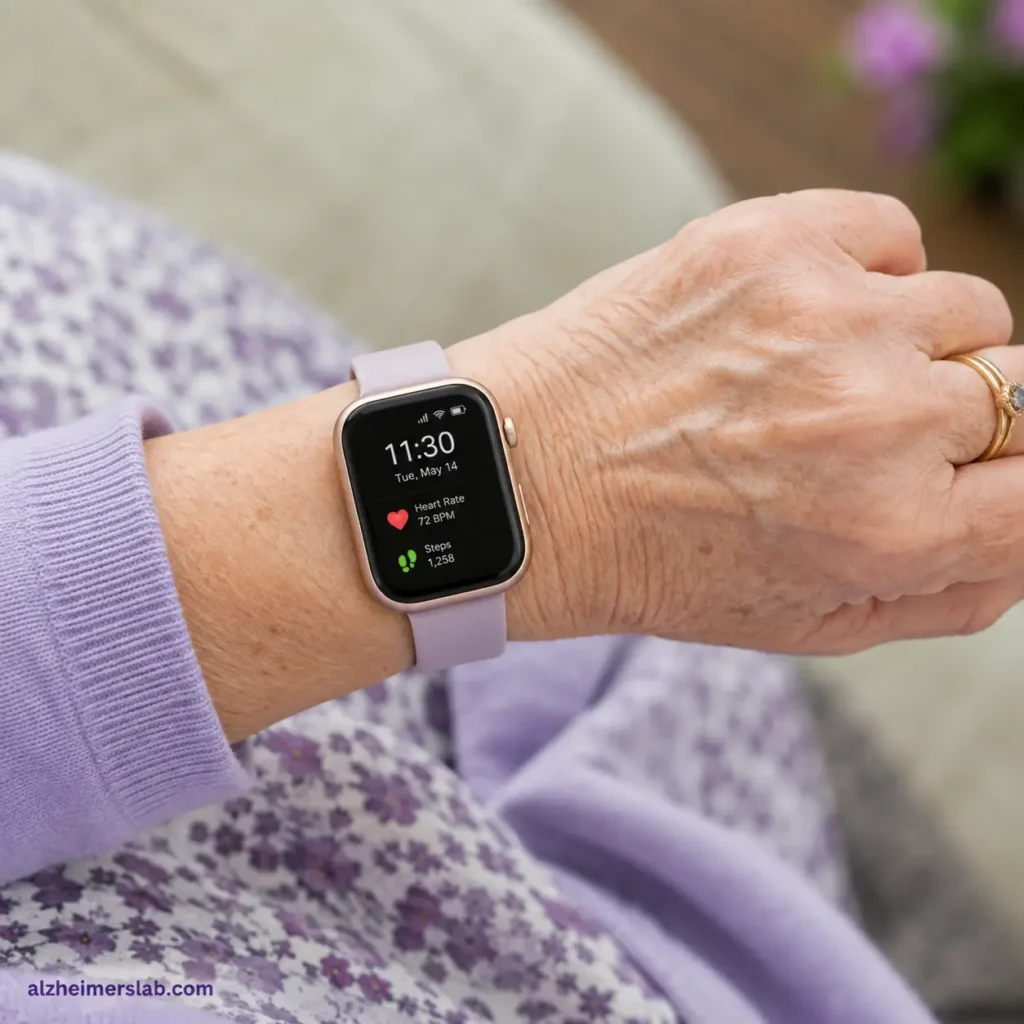
Most modern smartwatches are designed for adults, so appearance is usually not a problem. In fact, many resemble ordinary wristwatches rather than medical devices.
Comfort matters much more than style. A lightweight watch with a soft, adjustable band is generally easier to wear throughout the day. Very large or heavy watches may become uncomfortable, especially for people with arthritis or fragile skin.
Some seniors also prefer watches with larger displays because the screen is easier to read.
If your loved one dislikes bulky jewelry or accessories, choosing a smaller model may improve the chances that they continue wearing it every day.
Things to Look For
When comparing different smartwatches, focus on features that improve safety instead of entertainment.
Reliable GPS tracking is one of the most valuable features for caregivers. Emergency SOS calling should be easy to activate without complicated menus. Two-way calling allows immediate communication during stressful situations.
A long battery life is equally important because a watch that frequently runs out of power cannot provide protection when needed.
Large text, bright displays, and simple interfaces make the watch easier to understand. Comfortable bands, water resistance, and durable construction also help because the watch is likely to be worn throughout the day.
Finally, check whether the watch requires a monthly subscription or cellular service, since these ongoing costs vary between models.
Tips for Caregivers
Introduce the smartwatch gradually instead of expecting immediate acceptance. Let your loved one wear it around the house before depending on it outside.
Keep explanations short and reassuring. Avoid describing it as a tracking device. Instead, explain that it helps family stay connected and reach them quickly if they need assistance.
Test every important feature regularly. Make sure GPS, emergency contacts, charging, and notifications continue working properly.
Most importantly, remember that technology works best alongside regular supervision. Continue checking in, maintaining routines, and providing personal support even if the watch offers advanced safety features.
My Quick Advice
If I were choosing a smartwatch for someone with dementia, I would ignore flashy features and focus on reliability. A simple watch that consistently provides GPS tracking, easy emergency calling, comfortable all-day wear, and dependable battery life will usually be far more valuable than a premium smartwatch filled with features your loved one may never use.
I also would not buy a smartwatch if the person is already in the advanced stages of dementia and frequently removes watches or struggles to understand simple instructions. In that situation, the money may be better spent on other safety solutions that require less participation from the person living with dementia.
The best smartwatch is not necessarily the most expensive one. It is the one your loved one is comfortable wearing every day, while giving you greater confidence that help is available if it is ever needed.
