
Can Technology Replace Personal Interaction In People With Dementia?
When you care for someone with dementia, one question comes up often. Can technology step in where human interaction becomes difficult?
It is a fair question. Today, voice assistants, reminder apps, social robots, and video calling tools are everywhere. Many families already rely on them to support daily care. Still, there is a deeper concern underneath. Can these tools truly replace the warmth, comfort, and emotional connection that a real person provides?
In this article, I will walk you through what technology can do, where it falls short, and what actually works best for people living with dementia.
Knowing The Emotional Needs Of People With Dementia
Before we talk about technology, it helps to understand what someone with dementia really needs.
Dementia affects memory, thinking, and communication. However, emotional awareness often stays intact for a long time. Even when someone forgets names or events, they can still feel comfort, fear, loneliness, and affection.
Because of this, human interaction plays a major role in their well-being. A calm voice, a familiar face, or even a gentle touch can reduce anxiety in ways that tools cannot fully replicate.
Research supports this. A study published in The Lancet Neurology highlights that social engagement is strongly linked to better cognitive and emotional outcomes in people with dementia (read the study).
So, right from the start, we see that connection is not optional. It is essential.
What Technology Can Do Well In Dementia Care
Technology has improved rapidly. In many ways, it fills important gaps in care.
1. Supporting Daily Routines
One of the biggest challenges in dementia is managing everyday tasks.
Devices like voice assistants can remind someone to take medication, eat meals, or attend appointments. This reduces dependence on caregivers for routine prompts.
More importantly, it helps the person maintain a sense of independence. That feeling matters more than most people realize.
2. Enhancing Safety
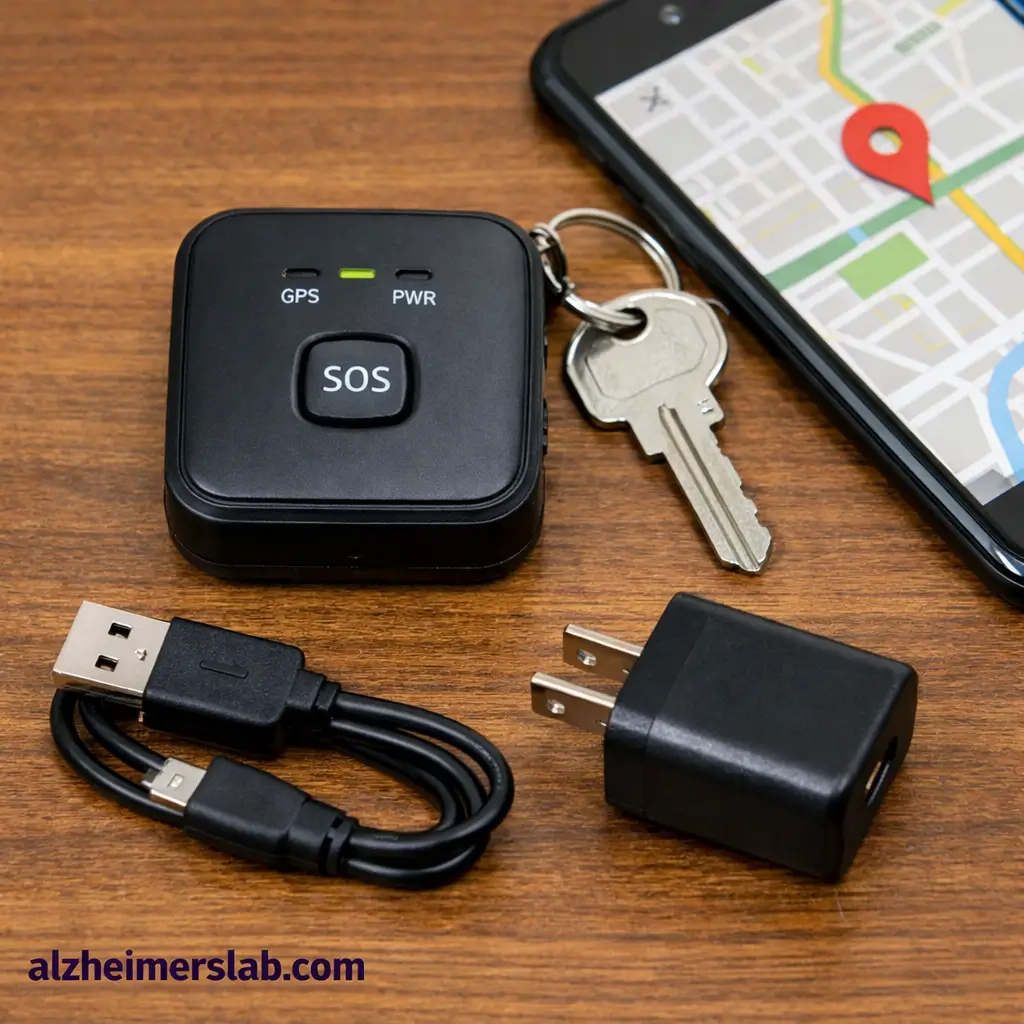
Safety is a constant concern.
Tools like GPS trackers, fall detection systems, and smart home devices allow caregivers to monitor loved ones remotely. If someone wanders or falls, alerts can be sent immediately.
This kind of support can prevent serious incidents, especially in moderate to advanced stages of dementia.
3. Reducing Caregiver Stress
Caregiving is demanding, both physically and emotionally.
Technology can ease that burden. For example, automated reminders, monitoring systems, and even simple communication apps can reduce the need for constant supervision.
When caregivers get small breaks, they are able to provide better care overall.
4. Providing Basic Social Interaction
Some tools try to simulate companionship.
Social robots and voice assistants can engage users in simple conversations, play music, or answer questions. While this is not the same as human interaction, it can still reduce feelings of isolation during quiet moments.
A study in the Journal of Medical Internet Research found that digital tools can help older adults manage routines and maintain engagement (read the study).
Where Technology Falls Short
Even with all these benefits, there are clear limits.
1. Lack Of Emotional Depth
Technology can respond, but it cannot truly understand emotions.
A voice assistant may answer a question, but it cannot sense fear in someone’s voice. A robot may speak, but it cannot offer genuine empathy.
For someone with dementia, emotional reassurance is often more important than factual answers.
2. No True Relationship Building
Human relationships are built over time through shared experiences.
Technology does not have memory in the same emotional sense. It cannot build trust, recall meaningful moments, or adapt in a deeply personal way.
Because of this, it cannot replace the bond between a caregiver and a person with dementia.
3. Difficulty In Advanced Stages
As dementia progresses, using technology becomes harder.
Complex interfaces, unfamiliar voices, or even basic commands can become confusing. At this stage, human support becomes even more critical.
What worked in early dementia may not work later.
4. Risk Of Over-Reliance
There is also a hidden risk.
If families begin to rely too heavily on technology, it may reduce the amount of real human interaction the person receives. Over time, this can increase feelings of loneliness and disconnection.
Technology should support care, not replace it.
The Role Of Human Interaction In Dementia Care
Human connection goes beyond communication. It provides emotional grounding.
A caregiver can notice subtle changes in mood, behavior, or comfort level. They can adjust their tone, body language, and approach instantly.
For example, if someone becomes anxious, a caregiver might:
- Hold their hand
- Speak gently
- Redirect attention with a familiar activity
Technology cannot do this in a meaningful way.
In addition, shared activities like meals, conversations, or even sitting quietly together help maintain dignity and identity. These experiences remind the person that they are not alone.
Can Technology Replace Personal Interaction?

The short answer is no.
Technology cannot replace personal interaction in people with dementia. However, it can complement it very effectively.
Think of it this way. Technology is a tool. Human connection is the foundation.
When used together, they can improve quality of life. When used alone, technology falls short.
A Balanced Approach That Works Best
Instead of choosing between technology and human care, the goal should be balance.
Use Technology For Structure
Let technology handle predictable tasks like reminders, safety monitoring, and simple engagement. This reduces stress for both the caregiver and the person with dementia.
Prioritize Human Interaction For Emotional Needs
At the same time, make sure real interaction remains central.
Daily conversations, physical presence, and emotional support cannot be replaced. Even short but meaningful interactions can make a big difference.
Adjust Based On Disease Stage
What works early may not work later.
In early stages, technology can play a larger role. In advanced stages, human care becomes the primary support, with technology playing a smaller, background role.
Practical Tips For Caregivers
If you are considering using technology, here are a few simple guidelines.
Start small. Introduce one tool at a time so it does not feel overwhelming.
Choose simple devices. The easier it is to use, the more effective it will be.
Monitor how the person responds. If a device causes confusion or frustration, it may not be suitable.
Keep human interaction consistent. Technology should never replace regular engagement.
Stay flexible. Needs will change over time, so your approach should too.
The Future Of Technology In Dementia Care
Technology will continue to evolve.
Artificial intelligence, emotion detection, and personalized systems are already being developed. In the future, tools may become better at recognizing mood and adapting responses.
Even then, the human element will remain essential.
No matter how advanced technology becomes, it cannot replicate genuine care, empathy, and emotional connection.
Final Thoughts
Caring for someone with dementia is not just about managing symptoms. It is about preserving dignity, comfort, and connection.
Technology can help in many practical ways. It can support routines, improve safety, and ease caregiver burden. However, it cannot replace the human presence that people with dementia rely on.
In the end, the best care comes from combining both. Use technology as support, but keep personal interaction at the heart of everything you do.
That balance is what truly improves quality of life.
