
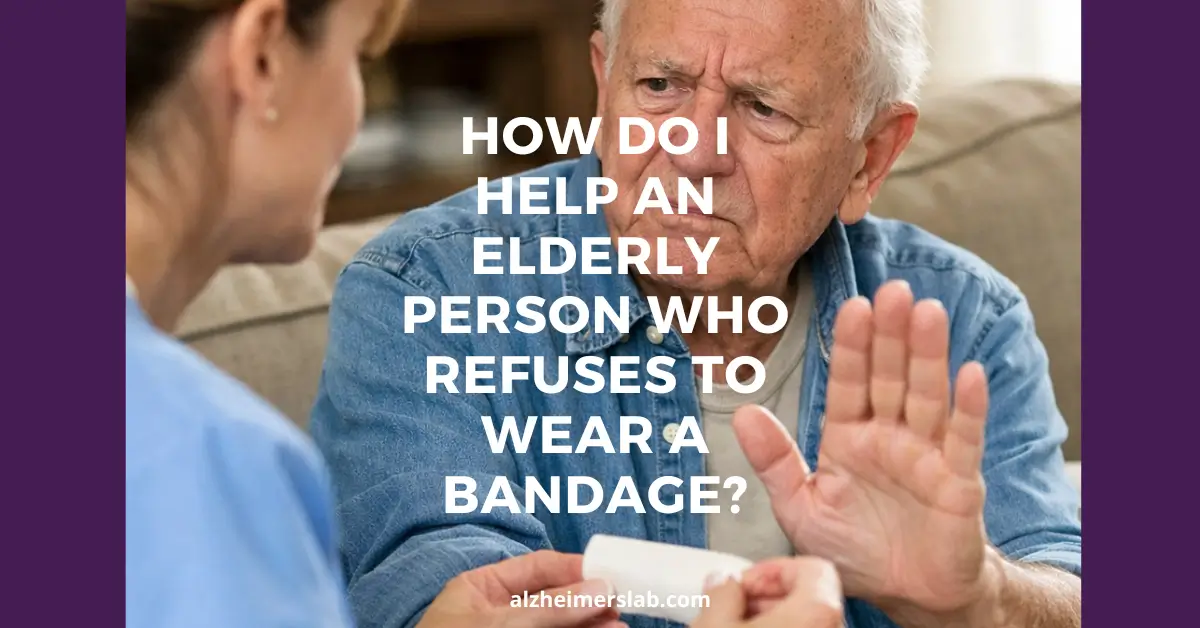
How Do I Help an Elderly Person Who Refuses to Wear a Bandage?
If you care for an older adult, you may face this problem sooner or later. A small cut or scrape needs protection, but the elderly person refuses to wear a bandage. They may pull it off right away, argue about it, or become upset when you try again.
This situation is common, especially among seniors with memory loss, dementia, sensitive skin, or strong personal habits. The refusal is usually not stubbornness. It is often fear, discomfort, or confusion.
You and I can handle this in a calmer, safer way. This guide explains why older adults resist bandages and what you can do to help without turning it into a daily battle.
Why Elderly People Refuse Bandages
Understanding the reason matters more than the bandage itself.
Skin discomfort
Aging skin is thin and fragile. Adhesive can pull at the skin or cause pain when removed. Some seniors also have allergies or irritation from certain materials.
Confusion or memory problems
If a person has dementia or mild cognitive decline, they may not remember why the bandage is there. It can feel strange or threatening, so they remove it.
Loss of control
Many older adults feel they have lost independence. A bandage placed by someone else may feel like one more decision taken away from them.
Past experiences
A painful wound, infection, or bad medical experience can create fear. Even a simple bandage can trigger that memory.
Sensory sensitivity
Some seniors are very sensitive to touch, tightness, or textures. A bandage can feel itchy, hot, or restrictive.
Start With a Calm and Respectful Approach
Your tone matters more than your words.
Speak slowly and gently. Avoid commands like “You have to wear this.” Instead, explain simply why the bandage helps. For example, “This will keep the cut clean so it heals faster.”
If the person becomes upset, stop and step back. Trying again later is often better than pushing through resistance.
Even if they do not fully understand, feeling respected reduces anxiety.
Give Them a Sense of Choice
Choice restores dignity.
Instead of deciding everything, offer small options:
- “Would you like this soft bandage or that one?”
- “Do you want it on now or after tea?”
- “Should it go this way or that way?”
These small decisions help the person feel involved, not controlled.
Check If the Bandage Is Truly Necessary
Not every wound needs a traditional bandage.
For very minor cuts, proper cleaning and keeping the area dry may be enough. Overuse of bandages can irritate the skin and increase resistance later.
If the wound is open, bleeding, or at risk of infection, protection is important. In that case, consider alternatives instead of forcing the same solution.
Use Skin-Friendly Alternatives
Sometimes the refusal is about the material, not the idea.
You can try:
- Soft gauze held loosely with paper tape
- Silicone-based bandages designed for fragile skin
- Non-adhesive pads with light wrap
- Liquid bandage products for very small cuts
Avoid strong adhesives meant for younger skin. Removing them can cause pain or even skin tears.
Research on aging skin shows that adhesive-related skin injuries are common in older adults, especially those over 75, due to reduced skin strength and elasticity.
Distract and Reframe the Moment
Distraction works surprisingly well.
Talk about something familiar or comforting while applying the bandage. Ask about an old memory, a favorite food, or a TV show they enjoy.
You can also reframe the bandage as something positive:
- “This is like a little jacket for your skin.”
- “This helps your hand rest and heal.”
Avoid medical language if it causes fear.
Watch for Signs of Pain or Infection
If a senior constantly removes a bandage, pain may be the reason.
Look for:
- Redness spreading around the wound
- Swelling or warmth
- Oozing or foul smell
- Complaints of burning or itching
If you notice these signs, the issue may be medical, not behavioral. A healthcare professional should check the wound.
Studies show that untreated minor wounds in older adults can progress to serious infections due to slower healing and reduced immune response.
Avoid Power Struggles

Arguing rarely helps.
If the person pulls off the bandage again and again, take a break. Clean the wound, keep it dry, and try later with a different approach.
Repeated conflict increases stress for both of you. Stress can also slow healing.
Your goal is safety, not winning.
When Dementia Is Involved
With dementia, logic often fails, but emotion remains.
Do not correct or argue if they say the bandage does not belong to them. Instead, respond to the feeling behind the words. Reassure them that they are safe and comfortable.
In advanced cases, you may need to accept partial solutions, such as covering the wound only during high-risk activities and leaving it uncovered at rest.
When to Seek Medical Advice
Get professional help if:
- The wound does not heal within a reasonable time
- The person keeps reopening it
- There are signs of infection
- Skin tears occur repeatedly
A nurse or doctor can suggest better wound-care options suited for elderly skin and behavior patterns.
A Gentle Reminder for You
Caring for an older adult is emotionally demanding. Resistance over something as small as a bandage can feel exhausting.
Remember this: refusal is usually communication, not defiance.
When you focus on comfort, respect, and flexibility, you protect both the wound and the relationship. That matters just as much as healing the skin.
