
Best Noise Cancelling Headphones For Seniors
As an Amazon Associate, I earn from qualifying purchase.
Ever find yourself wishing for some peace and quiet amidst the hustle and bustle of daily life? Noise cancelling headphones might be just the solution you’re looking for. Especially for seniors, a good pair can make listening to music or watching movies a much more enjoyable experience. I’ve done some digging to find the best noise cancelling headphones tailored for seniors. Let’s dive in and explore what makes these headphones stand out!
Here Are the Best Noise Cancelling Headphones For Seniors
1. Soundcore Q20i headphones


The Soundcore Q20i headphones can be a practical choice for older adults who enjoy music, podcasts, or TV audio. The memory foam cushions are designed for comfort, while hybrid active noise cancellation can help reduce surrounding noise.
I also like the 40-hour battery life, which means you won’t need to recharge them constantly. A quick 5-minute charge can provide an emergency boost, and dual-device connectivity can make switching between devices easier.
The fit may not work equally well for everyone, as some people find the headphones too loose. They also aren’t waterproof, so extra care is needed around moisture.
Who Is This Product Best For?
These headphones are best for older adults who want comfortable everyday listening, particularly during travel, at home, or in noisy surroundings.
Pros
- Comfortable memory foam cushions
- Long 40-hour battery life
- Effective hybrid noise cancellation
Cons
- Fit may feel loose for some people
- Can make ears feel warm during exercise
- Not waterproof
2. Bose QuietComfort Headphones
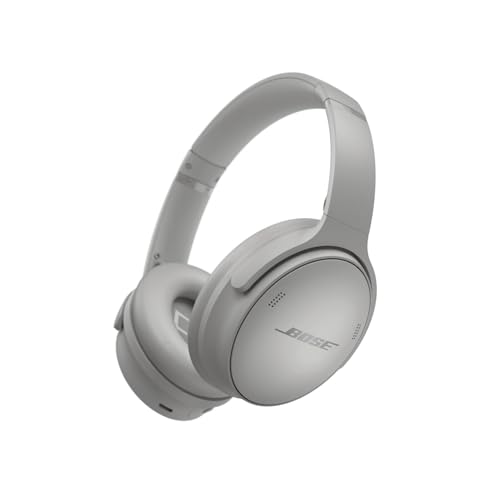
The Bose QuietComfort Headphones can be a comfortable choice for older adults who enjoy music, podcasts, or quiet listening. Their plush over-ear design and adjustable noise cancellation may make longer listening sessions more pleasant.
I also like the 24-hour battery life and quick 15-minute charging when you need a little extra listening time. If the battery runs out, the included 3.5mm cable allows wired listening.
The main concern is the price, along with some reports of microphone, Bluetooth, or connectivity problems. So, I would consider these best for someone who values comfort and strong noise cancellation enough to justify the cost.
Who Is This Product Best For?
This product is best for older adults who enjoy regular music or audio listening and want comfortable headphones with strong noise cancellation. They may also suit caregivers looking for headphones for an older family member who spends time listening at home or while traveling.
Pros
- Comfortable over-ear design for extended listening.
- Strong noise cancellation and adjustable sound.
- Wired option works even when the battery is depleted.
Cons
- Higher price may not suit every budget.
- Some reports of Bluetooth or connectivity issues.
- Long-term reliability may vary.
3. Soundcore Q20i headphones “Black”
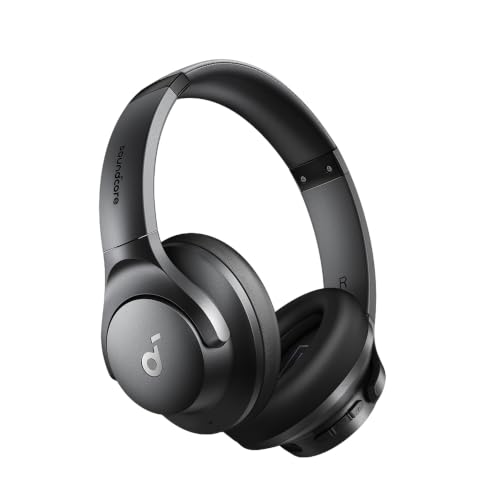
The Soundcore Q20i headphones can be a practical choice for older adults who enjoy music, podcasts, or watching TV in a noisy home. The hybrid noise cancellation can reduce up to 90% of outside noise, while the 40mm drivers and BassUp technology provide detailed sound.
I also like the long battery life, with up to 40 hours with noise cancellation on and up to 60 hours in normal mode. Memory foam cushions add comfort, although the fit may feel loose on some heads.
Dual-device connectivity is useful when switching between devices. The lack of a carrying case is a small drawback to consider.
Who Is This Product Best For?
This is best for older adults who want comfortable headphones for listening at home, traveling, or in other noisy surroundings without spending too much.
Pros
- Strong noise cancellation and clear sound
- Long battery life with fast charging
- Memory foam cushions and dual-device connectivity
Cons
- Fit may feel loose on some heads
- Ears may feel warm during exercise
- No carrying case included
4. iClever EM01 Noise Cancelling Headphones
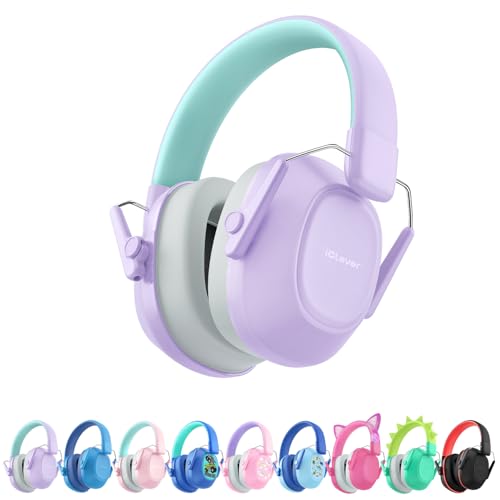
If loud sounds bother an older adult, the iClever EM01 can provide a simple way to make noisy surroundings more comfortable. Its soft 18mm padding and low head pressure are especially helpful when wearing hearing protection for longer periods.
The adjustable arms fit from age 5 through adulthood, so the fit can be customized. I also like the holeless pivot design because it helps prevent hair from getting caught.
These are passive earmuffs, not true active noise-cancelling headphones. Noise reduction is strong, but durability reports are mixed, so I would keep that in mind before choosing them for frequent use.
Who Is This Product Best For?
This is best for older adults who are sensitive to loud sounds and need straightforward hearing protection at noisy events or environments, provided the fit is comfortable.
Pros
- Strong noise reduction with soft, comfortable padding.
- Adjustable design with low head pressure.
- Safety certifications and BPA/silicone-free construction.
Cons
- Durability reports are mixed.
- Passive noise reduction, not active noise cancellation.
5. RUNOLIM Active Noise Cancelling Headphones
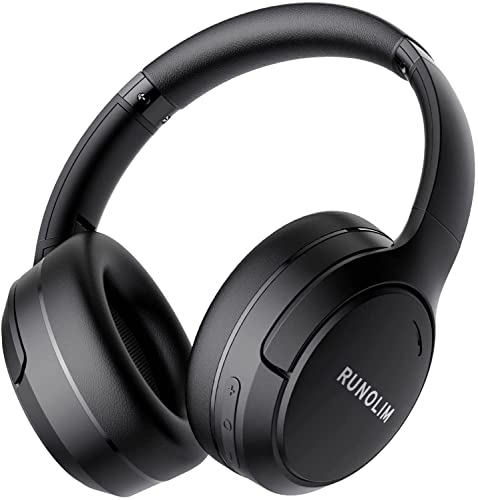
The RUNOLIM Active Noise Cancelling Headphones could be a practical choice for older adults who enjoy music, podcasts, or TV audio without spending heavily. The 100-hour battery life is especially convenient, while ANC can reduce surrounding noise and make listening more comfortable in busy places.
I also like that the soft protein leather ear cushions are designed for comfort, and the detachable 3.5mm cable lets you keep listening when the battery runs out. However, the fit may feel too large for someone with a smaller head, and some people have reported connection dropouts.
Who Is This Product Best For?
This is best suited to older adults who want long battery life and noise reduction for travel, relaxing at home, or everyday listening, especially if a wired backup is useful.
Pros
- Very long battery life, up to 100 hours
- Noise cancellation and comfortable ear cushions
- Wired option when the battery is depleted
Cons
- May feel too large on smaller heads
- Some reports of Bluetooth dropouts
- No carrying case included
Buyer’s Guide: Choosing The Best Noise-Cancelling Headphones For Seniors
Noise-cancelling headphones can be useful for seniors who are sensitive to background noise, have trouble concentrating in busy places, or simply enjoy listening to music, podcasts, television, or audiobooks more comfortably.
However, choosing headphones for an older adult is not quite the same as choosing a pair for a younger person. Comfort, simplicity, hearing needs, battery life, and safe volume levels can matter just as much as sound quality.
Why Do Seniors Need Specialized Headphones?
There is no special type of headphone that every senior needs. Instead, some headphones are simply better suited to the needs that often come with aging.
For example, a senior may prefer large, soft ear cushions because they are more comfortable during longer listening sessions. Physical buttons can also be easier to understand than tiny touch controls.
Some seniors may also have difficulty hearing speech clearly when there is background noise. Noise cancellation can reduce steady sounds such as an airplane engine, air conditioner, or household hum. However, it should not be considered a treatment for hearing loss.
If your loved one has significant hearing difficulty, I would not assume that ordinary noise-cancelling headphones are the right solution. A hearing professional can help determine whether hearing aids or another assistive listening device would be more appropriate.
How Should Seniors Use Noise-Cancelling Headphones?
Start with something simple. Help your loved one put the headphones on correctly, show them how to turn noise cancellation on or off, and teach them how to adjust the volume.
I recommend keeping the controls as simple as possible. If the headphones have several confusing buttons or complicated app settings, a caregiver may need to set everything up initially.
For everyday use, headphones can be helpful while watching television, listening to music, traveling, reading, or relaxing in a noisy part of the house. However, I would avoid wearing noise-cancelling headphones when your loved one needs to hear important sounds around them, such as alarms, approaching vehicles, or someone calling for help.
At night, I would not leave headphones loose on the bed where they could become uncomfortable or get damaged. Instead, keep them on a small bedside table or another designated spot where they are easy to find and charge.
How Can Noise-Cancelling Headphones Help?
The biggest advantage is reducing unwanted background sound. This can make a busy environment feel calmer and may make it easier for a senior to focus on whatever they are listening to.
For example, someone watching television may find dialogue easier to follow when household noise is reduced. Similarly, a senior traveling by plane may find the constant engine noise less distracting.
Noise cancellation can also make certain environments more comfortable for people who become overwhelmed by excessive background noise. Still, every person responds differently, so I would try the headphones for short periods before expecting them to become part of a daily routine.
Will They Look Suitable On An Elderly Head?
Yes. Modern over-ear headphones do not have to look overly technical or out of place on an older person.
In fact, I generally prefer a simple, understated design for seniors. A lightweight pair with comfortable ear cushions and an adjustable headband can look perfectly natural while being easier to wear.
More importantly, make sure the headphones fit properly. They should feel secure without squeezing the head or putting uncomfortable pressure around the ears.
Things To Look For When Buying
Comfort should be near the top of your list. Look for soft ear cushions, an adjustable headband, and a reasonably lightweight design. If the headphones feel heavy after a few minutes, they may become frustrating to wear.
Simple controls are another important consideration. Large physical buttons can be easier for some seniors than tiny touch-sensitive controls, particularly if they do not enjoy dealing with smartphone apps.
Battery life matters too. Longer battery life means less frequent charging, which can make the headphones easier to maintain. A clear charging indicator is helpful as well.
Pay attention to the noise-cancelling performance, but do not assume that the most expensive headphones are automatically the best choice. Think about where your loved one will actually use them.
Finally, check the maximum volume and encourage safe listening habits. Turning the volume up too high simply to overcome background noise can be harmful to hearing.
Tips For Caregivers
Before buying, ask the senior what problem they are actually trying to solve. If they mainly want clearer television dialogue, their needs may be different from someone who wants headphones for airplane travel.
I also recommend setting the headphones up yourself before giving them to your loved one. Pair them with the appropriate device, charge the battery, adjust the headband, and make sure the controls are easy to understand.
Write down a very simple set of instructions if necessary. Something as basic as “Press this button to turn them on” can be more useful than a complicated instruction manual.
Most importantly, watch how your loved one responds. If they repeatedly remove the headphones, complain about pressure, or seem confused by the controls, the headphones may simply not be the right fit.
My Quick Advice
If I were choosing noise-cancelling headphones for an older family member, I would put comfort and simplicity ahead of fancy features.
I would look for a lightweight over-ear design, soft cushions, straightforward physical controls, dependable battery life, and good noise cancellation. I would also avoid making the headphones unnecessarily complicated with features the senior is unlikely to use.
And remember, noise-cancelling headphones are primarily an audio and comfort tool. They are not a replacement for hearing aids or professional hearing care when hearing loss is the real problem.
The best pair is ultimately the one your loved one can put on comfortably, operate without frustration, and enjoy using safely.
Final Word
Out of the headphones on this list, the RUNOLIM Active Noise Cancelling Headphones stand out for their excellent value, especially if you want strong noise cancellation, impressive 100-hour battery life, comfortable ear cushions, and good sound without spending a premium. While the fit may feel large for some people and the lack of a carrying case is a drawback, the combination of features and the wired backup option makes these a practical choice for frequent travelers, commuters, and everyday listening.
