
Best Dementia-friendly Signage For Home
As an Amazon Associate, I earn from qualifying purchase.
Are you looking to create a more comfortable home environment for a loved one living with dementia? Finding the right signage can make a world of difference. When I started exploring options for my own home, I realized that simple, clear signs with large fonts and contrasting colors were incredibly effective. They help you navigate effortlessly through familiar spaces, offering reassurance and independence.
Here Are the Best Dementia-friendly Signage [For Home]
1. Combination Stop Sign & Do Not Enter Sign by Secure Store
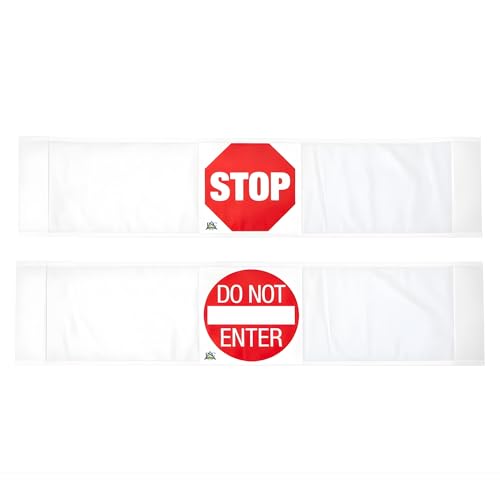
The Combination Stop Sign & Do Not Enter Sign by Secure Store is great for keeping elderly individuals safe. It can be placed in areas like the top of staircases to prevent falls, especially at night.
For example, if someone wakes up disoriented and heads towards the stairs, the sign can stop them. It can also help keep them out of rooms that are not safe for them.
But remember, this sign is just one part of keeping things safe. It shouldn’t replace alarms or locks. The sign is bigger than a regular door, so some adjustments might be needed to fit it. Even with this small issue, the sign does a good job of helping create a safer place.
2. 640 Pcs Removable Home Moving Labels By Hebayy Store

The 640 Pcs Removable Home Moving Labels by Hebayy Store are great because of their larger size and many different labels for different rooms. This helps a lot when organizing a home during a move. The labels stick well, which makes them perfect for cardboard boxes and plastic totes. However, they might not be the best for furniture or soft items due to their strong adhesive.
Each room having its own color is a big help. It makes unpacking easy since you can quickly see which box belongs where. This color system reduces confusion and makes sorting items simple. These labels are strong and clear, making them very useful for anyone moving and wanting to keep things organized.
3. Alzheimers 2 Pack Medical Alert Safety Decal Sticker
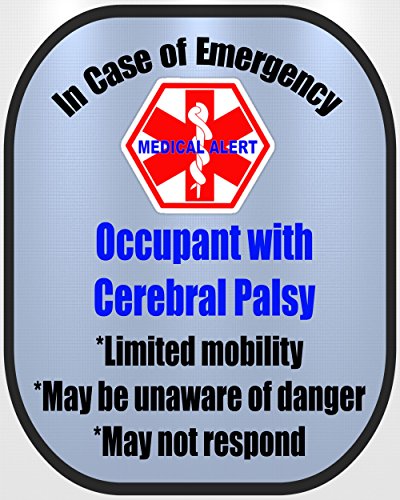
The “Alzheimers 2 Pack Medical Alert Safety Decal Sticker” is great for homes with someone who has Alzheimer’s. The stickers help alert first responders and guests that an Alzheimer’s patient lives there. This is important in emergencies.
The bright colors make the stickers easy to see, and the strong adhesive means they will stay put for a long time. For example, putting one sticker next to a pet rescue sticker on a window ensures it gets noticed by responders.
Having two stickers in the pack means you can put them in different places where they will be easily seen. This makes the stickers more effective. Maybe the stickers could be a bit bigger to stand out even more, but they still do a good job. These stickers are well-designed and useful for keeping someone with Alzheimer’s safe at home.
4. Bestjybt DIY Removable Wall Sticker

The Bestjybt DIY Removable Wall Sticker is a great addition to any home, especially if caring for someone with dementia.
Its design helps clearly show where the toilet is, which is very important for those with memory issues. The sticker looks nice and fits well in many places, even in small rooms. This makes it not only useful but also a pretty decoration.
This wall sticker is very easy to use. It sticks easily and can be removed and put back without any trouble, which is very handy. It also adds a bit of fun and laughter to the home, as guests often find it amusing. This product helps in daily life while also bringing some joy to the home.
5. Aegis Adhesives
No products found.
The Aegis Adhesives dementia-friendly signage for the home is a wonderful tool to help individuals with dementia navigate their living spaces with ease. Its simple and clear design makes it very easy to understand, ensuring that important areas of the home are clearly marked.
For example, the use of bright colors on the stickers helps make these signs stand out, which can reduce confusion during daily activities.
Moreover, the Aegis Adhesives signage is designed specifically to meet the needs of dementia patients. It aims to make their living environment more manageable and less stressful. This product is appreciated for its ease of use and thoughtful approach to addressing the challenges that dementia patients face at home.
Buyer’s Guide: Choosing the Best Dementia-Friendly Signage For Home
Caring for someone with dementia often means adjusting the home environment to reduce confusion and improve safety. One simple but highly effective change is adding dementia-friendly signage. When used correctly, these signs can help a person stay more independent and feel less anxious in their own home.
Why A Home With Dementia Needs Signage
Dementia affects memory, recognition, and decision-making. Everyday spaces like the bathroom or kitchen can suddenly feel unfamiliar. This is where clear signage becomes useful.
Research shows that visual cues can support orientation and reduce confusion in people with cognitive decline (Alzheimer’s Society environmental design study). Signs act as gentle reminders, helping a person identify rooms or objects without needing constant assistance.
You might wonder if someone with dementia will actually understand the signs. The answer depends on the stage of the condition. In early to moderate stages, many people can still recognize simple words, symbols, or images. Even in later stages, familiar colors, shapes, or pictures can still provide helpful cues.
How To Use Signage And Where To Place It
Placement matters just as much as the sign itself. Signs should be positioned at eye level and in clear view. For example, a bathroom sign should be placed directly on the door, not beside it.
Consistency is also important. If you use labels for one room, consider labeling other important areas like the bedroom, kitchen, or wardrobe. This creates a predictable environment.
Use simple, direct wording. Instead of long phrases, choose one or two words like “Toilet” or “Bedroom.” Adding a clear picture alongside the text can improve understanding.
Lighting also plays a role. Make sure signs are well-lit and easy to see during both day and night.
Are Dementia Signs Removable?
Most dementia-friendly signs are designed to be removable. Many come with adhesive backing that does not damage walls or doors. This is helpful because needs can change over time.
For example, you might need to reposition signs as the condition progresses or as the person moves between rooms more frequently. Removable signs give you that flexibility without making permanent changes to the home.
However, always check the product details. Some adhesives are stronger than others, and it’s best to test a small area first.
Things To Look For When Choosing Signage
When selecting signage, focus on clarity and simplicity.
High contrast is essential. Dark text on a light background, or vice versa, is easier to read. Avoid decorative fonts or overly bright patterns that may confuse the viewer.
Size matters too. Larger text is easier to see from a distance. Choose signs that are big enough to be noticed quickly.
Durability is another factor. Signs should be easy to clean and resistant to wear, especially in areas like bathrooms or kitchens.
Consider using both words and images. Studies suggest that combining visual and text cues can improve recognition (National Institute on Aging guidance).
How Signage Helps With Safety
Safety is one of the biggest reasons caregivers use signage. Clear labels can reduce the risk of accidents.
For instance, a visible bathroom sign can prevent someone from wandering into unsafe areas while searching for the toilet. Labels on cabinets can help avoid confusion between food items and cleaning supplies.
Signage can also reduce frustration. When a person knows where they are going, they are less likely to feel anxious or agitated. This can lower the chances of risky behaviors like wandering.
Practical Tips For Caregivers
Start small. You don’t need to label the entire house at once. Begin with the most important areas, such as the bathroom and bedroom.
Observe how the person responds. If a sign is ignored or misunderstood, try adjusting its position or design.
Keep the environment calm. Too many signs can become overwhelming. Use only what is necessary.
Involve the person if possible. Let them choose colors or images they recognize. Familiarity can improve acceptance.
Finally, review and update signage regularly. Dementia is a progressive condition, so what works today may need adjustment later.
If you want more information in this topic, go to this article that wrote recently — It talks a lot about labelling within the home, to make life easier for someone with dementia.
Frequently Asked Questions (FAQs)
Dementia-friendly signage helps seniors navigate their surroundings more independently and confidently. Clear, recognizable signs reduce confusion and frustration, promoting a sense of security and familiarity.
The main risk is ineffective signage that may confuse rather than clarify. It’s crucial to choose signs with simple, universally understood symbols and clear fonts to mitigate any potential confusion.
Research indicates that well-designed signage can significantly enhance spatial orientation and reduce disorientation among individuals with dementia. Studies emphasize the importance of clear visuals and placement consistency.
Alternatives include voice-activated systems, color-coded cues, and tactile indicators. Each option should be chosen based on the individual’s specific needs and preferences.
The lifespan of signage varies depending on materials and usage. High-quality signs made from durable materials like acrylic or metal can last for several years with proper care.
Dementia-friendly signage is available online through specialized retailers, healthcare supply companies, and sometimes local hardware stores. Ensure the supplier offers customization options if needed.
My Quick Advice
From experience and research, the best approach is to keep things simple and consistent. Avoid overcomplicating the setup. A few well-placed, easy-to-read signs can make a bigger difference than filling the home with labels.
Focus on the person’s daily routine. Place signs where confusion actually happens, not everywhere. Think about safety first, especially in areas like bathrooms and kitchens.
Most importantly, treat signage as a support tool, not a replacement for care. It should help the person feel more confident, not overwhelmed. When done right, it can quietly improve both independence and peace of mind at home.
