

5 Best Riser Recliner Chairs for Dementia Patients
alzheimerslab.com is reader-supported. I may earn a commission when you purchase via links on this page.
Dementia can affect physical mobility as it progresses in the later stages. Studies suggest that in addition to cognitive decline, Dementia can also prevent people from being able to stand, walk or move from one location in the room to another.
Sitting in an uncomfortable position all day long can amplify mobility issues. The surrounding environment also plays a massive role in the deterioration of the physical condition of someone with Dementia.
This is where a riser recliner (also known as a stand-you-up-chair, or power lift chair) comes to the rescue.
It will make the everyday tasks of a Dementia patient easy and enjoyable. This chair enables them to watch TV, read a book, or engage in sensory stimulation activities. It alleviates muscle/joint pain and muscle soreness.
In this post, I share the best riser recliner chairs for Dementia patients.
Here Are The Best Riser Recliner Chairs For Dementia Patients
1. Cfvyne Three Motor Large-Wide Power Lift Chairs Recliner
best overall
No products found.
Cfvyne Three Motor Large-Wide Power Lift Chairs Recliner is designed for seniors who need full body support and flexible positioning.
This triple-motor lift chair allows the headrest, backrest, and footrest to move independently, giving true infinite adjustment from 45° up to 180° lay flat. It is especially helpful for seniors who cannot sleep comfortably in a regular bed.
The large-wide design fits users between 5’4″ and 6’1″, with an extended footrest that fully supports the legs and prevents dangling. The 23″ x 24″ cushion provides generous seating space without feeling cramped.
In addition, the chair includes eight vibration massage points targeting the back, lumbar, thighs, and legs. The built-in lumbar heating system ranges from 113°F to 140°F, offering soothing warmth for stiff muscles. The lift mechanism feels smooth and stable, making standing up safer and easier.
Who Is This Product Suitable For
This chair is suitable for seniors between 5’4″ and 6’1″ who need independent head, back, and foot adjustment, full 180° flat positioning for sleep, extended leg support, and built-in lumbar heat with vibration massage for daily comfort.
Pros
Independent triple-motor control with full 180° lay-flat comfort
Cons
Larger size may not suit smaller rooms or petite users
2. CANMOV Large Power Lift Recliner Chair
bestseller

CANMOV Large Power Lift Recliner Chair is built with comfort and safety in mind for older adults, especially those with dementia.
It features a 30-inch extended backrest and a 21-inch widened seat, giving full support to the hips and legs. This design helps seniors stretch comfortably without pressure that may affect blood circulation.
The chair is oversized and very soft, making it suitable even for overnight sleep. It reclines far back and smoothly lifts the user to a standing position. That lift support can reduce strain on knees and lower back, which is important for seniors with limited mobility.
Assembly comes in one box. While slightly challenging, the instructions are clear and manageable for most caregivers.
Overall, the chair feels sturdy and well-made. The lift mechanism works reliably, and the cushioning offers long-lasting comfort. It is a dependable choice for daily use.
Who Is This Product Suitable For?
This chair is ideal for seniors with dementia who need full-body support, especially those who are larger in build. It suits individuals who may sleep in a recliner at night and require assistance standing safely without straining joints.
Pros
Wide seat, strong lift support, soft cushioning, suitable for sleeping.
Cons
Assembly may feel slightly difficult for some caregivers.
3. Homcom Power Lift Riser Recliner Chair
best value
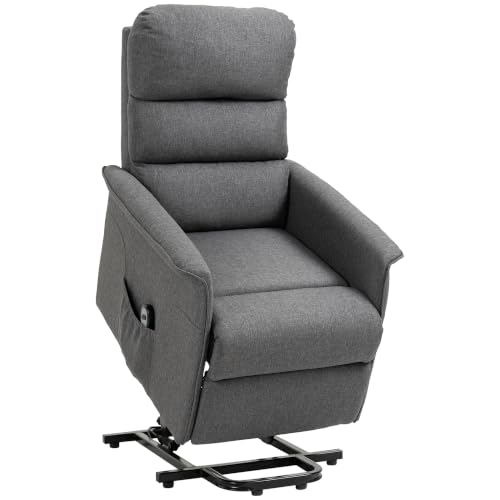
This is a value product, incomparable with others on the market. Homcom products are known for their built quality, design, and customer service. Homcom riser recliner chairs have been around for more than a decade— this is not a no-name brand.
This riser recliner has dual motors. One motor controls the position of the footrest, and the other is meant for the backrest. You can change the position of the footrest and the backrest independently with the help of remote control.
Unlike other recliner chairs, this one does not recline fully. It has three predefined backrest positions: reading, watching TV, and napping. For napping, you can recline the chair up to 140 degrees.
The power lift works great. This chair can help you stand from a seated position into a vertical lean up to 70 degrees. You can transition from a seated position to a standing position without exerting pressure on your lower back or hips.
The power lift will push you to a standing position, hence you must have a walking stick or an upright walker handy.
As I mentioned previously, this chair can be controlled remotely. No need to pull any strings or push/pull manually. The multi-function remote control is easy to use, it does not have non-essential buttons (a total of 5 buttons).
One important thing to note is this chair does not come with a built-in massager. This is one of the reasons it is more economical than others on the market.
This product is suitable for:
The Homcom chair is one of the best riser recliner chairs for dementia patients who like to relax in the living room. This chair is not equipped with a massager. It performs basic functions such as helping you stand from a seated position and taking the load off of your buttocks.
Pros
- Lightweight
- Minimalistic design
- Soft armrest
- Wide seat
Cons
- Does not come with a cup holder
- No USB port
- No massager
4. Power Lift Recliner – Signature Design by Ashley Yandel
best aesthetics
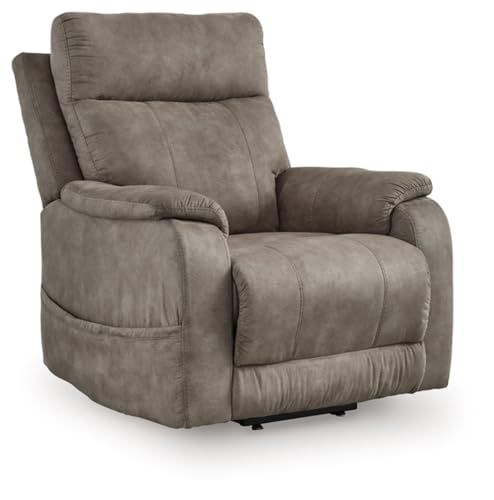

Ashley Furniture is a family-run business from Wisconsin. They are known for affordable, artfully designed, and robust furniture. They offer good customer service too.
The saddle brown riser recliner chair is made from faux leather. Unlike real leather, faux leather lasts for years and can withstand the elements of weather. It can remain intact even when the surface is scratched and scraped.
It might look like real leather but the texture is a lot softer and supple. Faux leather lasts longer and remains in pristine condition even after years of use. With years passing by this chair will continue to look good.
This chair is equipped with a dual motor. You can get this chair to recline back with a touch of a button. The footrest elevates as well. And do not forget the lift feature. This chair helps you stand without exerting pressure on your muscles/joints under stress.
The movement of this chair is comfortably slow. No jerky movements. It takes this chair about 1 minute to switch from a fully reclined position to lift. And 14.5 seconds to move from reclined to upright.
Notice that it takes considerably more time for a chair to help the person stand up on their feet. This is what makes this product one of the best riser recliner chairs for dementia patients with muscle/joint pain in the lower body.
Assembly is easy. The manufacturer provides all the necessary instructions and hardware. Also the total width of this chair— when fully assembled— is 30-inch. It fits through most doors.
This product is suitable for:
This riser recliner is suited for individuals who prefer to sit in a comfortable position throughout the day. The two powerful motors can easily handle the weight of an obese person. You will be able to sit with your feet up whenever you wish. The chair also turns into a bed so you can nap during the afternoon.
Pros
- Very comfortable chair
- High weather bearing capacity (250-300 lbs)
- The motor is quiet and smooth
- Ashley furniture is trusted by many
Cons
- No in-built massager
- No USB port for charging
5. Rankok Recliner Chair
best affordable
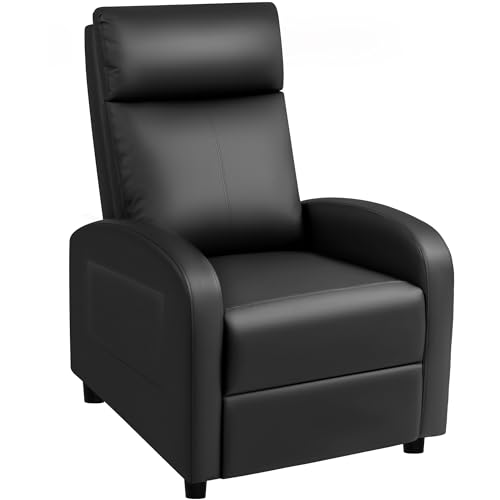
The Rankok Recliner Chair is a handy choice for those caring for folks with dementia who want a comfy seat. It looks classy in faux leather with a sleek black finish, fitting well in different homes.
This chair is a bit heavy, weighing 48 pounds, so you’ll need a partner to help lift it from the large box. But don’t worry, putting it together is quick – takes less than 10 minutes. The design is simple, with just two main parts: the base and the upper section. Connect them with a few screws, and you’re good to go.
What’s great about this chair is it’s affordable for many. The frame is made of wood, making it strong and lasting a long time.
Now, the recline feature is manual. To lean back, you push against the seat. It might take a bit of effort and getting used to, but it’s good for those who like a hands-on approach to find their perfect recline.
To sum it up, the Rankok Recliner Chair is good-looking, easy to put together, and won’t break the bank. The manual recline gives it a personal touch, great for those who want more control over their comfort.
This product is suitable for:
The Rankok Recliner Chair is an ideal choice for caregivers tending to individuals with dementia who seek both comfort and style in a chair. Its simple assembly, sturdy wooden frame, and budget-friendly price make it accessible to a wide range of caregivers looking for a practical and durable seating option.
The manual recline function is a plus for those who appreciate a hands-on approach, allowing caregivers to tailor the seating experience for the individual’s comfort.
Pros
- Stylish design fits well in any home
- Quick and easy assembly in under 10 minutes
- Affordable, making it accessible for many
Cons
- Heavy at 48 pounds, requires two people to lift
- Manual recline may need effort and getting used to
Buyer’s Guide
Why does every dementia patient need a Riser Recliner chair?
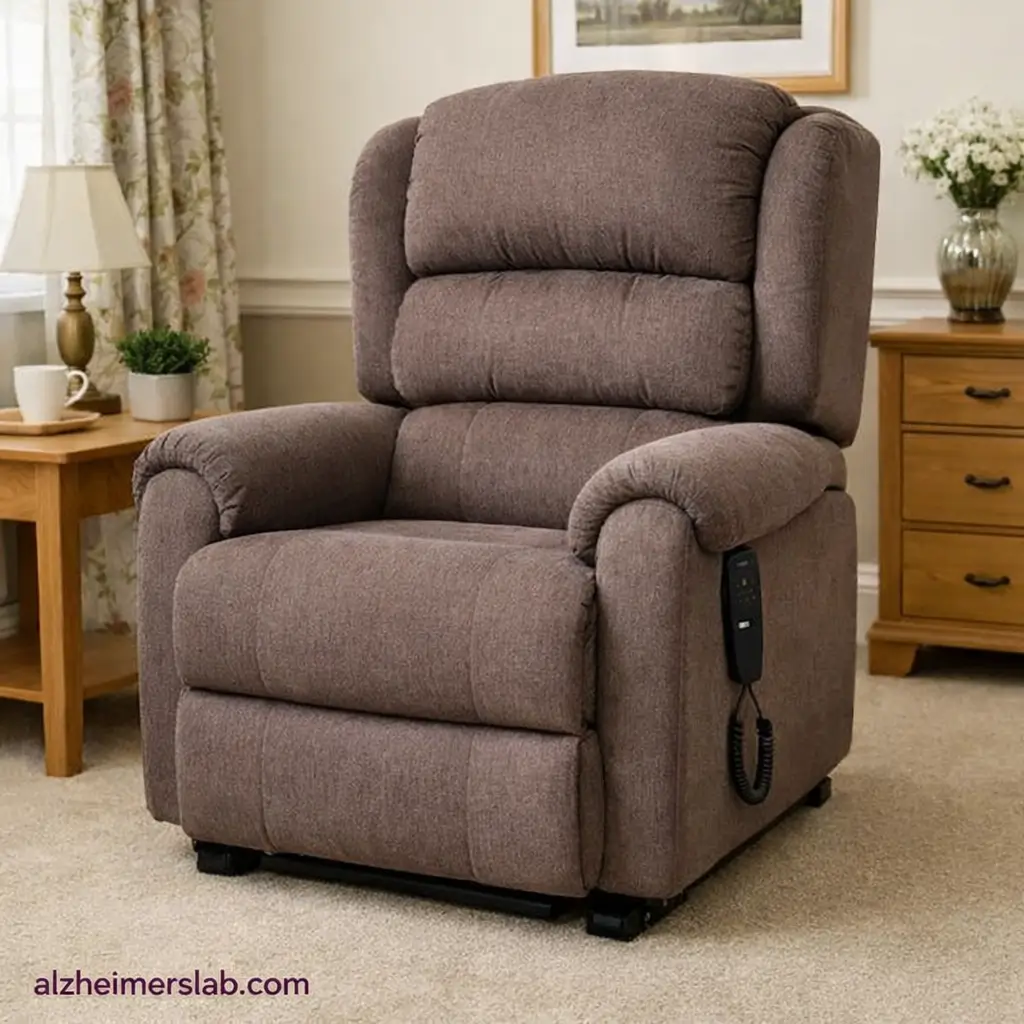
First, these chairs are easy to get in and out of. When you have dementia, moving around can be tough. A Riser Recliner chair can lift you gently so you can stand up without much effort. That’s great because it reduces the risk of falling, which can be a big worry.
Second, they’re super comfy. People with dementia often spend a lot of time sitting. These chairs are like big, soft hugs. They have cushions that help you feel cozy. Plus, you can recline them to find the perfect position for relaxing.
Third, Riser Recliner chairs can be adjusted to fit your body. That means they can help with any aches or pains you might have. You can move the chair to support your back or legs just the way you like it. It’s like a personalized comfort machine!
Fourth, they’re easy to clean. Sometimes things can get a little messy, especially if you spill something. But these chairs are usually covered with easy-to-clean materials. A quick wipe and you’re good to go.
Fifth, they’re great for naps. People with dementia often need more sleep. These chairs can recline almost flat, making them perfect for a snooze. Plus, the comfy cushions make falling asleep a breeze.
Lastly, these chairs can make you feel more independent. When you can stand up easily and sit down without help, it can be a big confidence booster. It’s nice to know you can still do things on your own.
So, that’s why Riser Recliner chairs are awesome for folks with dementia. They help with moving, they’re comfy, they’re adjustable, easy to clean, great for napping, and they promote independence. If you or someone you know has dementia, consider getting one of these chairs to make life a little more comfortable and relaxed.
Is it safe for a dementia patient to use a Recliner chair?
Firstly, choose the right chair. Look for a recliner that’s not too big or too small. It should fit the person well, so they don’t slip or slide when they sit down or get up. Make sure the chair has sturdy armrests that they can hold onto for balance.
Next, think about where you’ll put the chair. It should be in a safe spot, away from things they might trip over. Remove any rugs or clutter in the area to prevent accidents.
Safety belts can be helpful. Some recliners come with built-in safety belts that can keep the person secure. If the chair doesn’t have one, you can buy one separately and attach it.
Teach them how to use it. Show the person how to operate the recliner safely. Make sure they know how to use the footrest and recline the chair without getting stuck or confused.
Regular check-ins are crucial. Keep an eye on the person when they’re using the chair, especially if they tend to wander or get disoriented. You want to make sure they’re okay and comfortable.
Consider a sensor mat. These handy devices can alert you when the person gets out of the chair. It can be a good way to prevent falls or accidents, especially if you can’t be with them all the time.
Don’t forget comfort. Dementia patients can have sensitive skin, so choose soft, breathable fabrics for the chair. Add some cozy pillows for extra comfort.
Lastly, be patient and understanding. Dementia can be frustrating, but being patient and offering support can make a big difference. Sometimes, they may not want to use the chair, and that’s okay too.
In conclusion, it can be safe for a dementia patient to use a recliner chair with the right precautions. Choose a suitable chair, create a safe environment, use safety belts, teach them how to use them, check on them regularly, consider sensor mats, prioritize comfort, and, most importantly, be patient and understanding. These steps can help make sitting in a recliner a safe and enjoyable experience for your loved one with dementia.
How to assemble a Riser Recliner chair at home, all by yourself?
Assembling a Riser Recliner chair at home might seem tricky, but don’t worry – it’s doable! Here’s a step-by-step guide to help you put it together, all on your own.
Step 1: Gather Your Tools
Before you start, make sure you have all the tools you need. Usually, you’ll only need a screwdriver, which is like a special tool to tighten screws.
Step 2: Clear Your Space
Find a nice, open space to work in. You’ll need enough room to spread out the pieces of the chair and move around comfortably.
Step 3: Unbox Everything
Take all the pieces out of the box and lay them out. Make sure you have all the parts listed in the instruction manual.
Step 4: Read the Instructions
Don’t skip this step! The instructions are like a guide that tells you what to do. Read them carefully, and it’ll make the job much easier.
Step 5: Attach the Backrest
Start by attaching the backrest to the seat of the chair. There will be holes and screws – line them up and use your screwdriver to tighten them.
Step 6: Connect the Armrests
Next, connect the armrests to the seat. Again, use the screws provided and your screwdriver to make them secure.
Step 7: Attach the Feet
The feet of the chair usually just click into place. Push them firmly into the bottom of the chair until you hear a click. This makes the chair stable.
Step 8: Wires and Plugs
If your Riser Recliner has electrical components, like a motor for lifting, connect the wires and plugs according to the instructions. Usually, they’re color-coded, so it’s not too hard.
Step 9: Test It Out
Once everything is assembled, test the chair. Make sure it reclines and lifts as it should. If there’s an issue, double-check the connections and screws.
Step 10: Clean Up
Finally, gather up any leftover pieces and the packaging. It’s a good idea to keep the instructions in case you need them later.
Remember, take your time, and don’t rush. If you get stuck, it’s okay to ask a friend or family member for help. And always follow the safety guidelines in the instruction manual. Assembling a Riser Recliner chair can be a bit of a puzzle, but with patience and the right tools, you’ll have a comfy chair in no time!
Where to place a Riser Recliner chair at home?
Choosing the right spot for a Riser Recliner chair in your home, especially if you or your loved one is a senior dealing with dementia, is important. Let’s talk about where to put it to make life easier and safer.
First, consider the living room. It’s usually a good place. Pick a spot where you can see the TV and chat with family or friends. This way, you will feel included when people are around. Make sure it’s not too close to the TV to avoid straining your eyes.
Next, think about the bedroom. Placing a Riser Recliner chair there can be helpful, especially for resting or reading. Put it near the bed so you can easily get in and out. It’s a nice spot for quiet time.
For meals, consider the dining room or kitchen. A Riser Recliner chair with wheels can be moved there. Eating with family or friends can be a great way to stay connected. Just make sure the chair fits comfortably at the table.
In the bathroom, safety is super important. A Riser Recliner chair doesn’t belong there. Bathrooms can be slippery, and accidents can happen. Stick to using it in dry, safe spots.
If you have a garden or patio, you might want to put your chair there. Fresh air and sunshine can do wonders for your mood. Just make sure there’s shade to avoid getting too hot.
One more thing, always keep pathways clear. Make sure you can move around without tripping on things. Remove loose rugs or clutter.
Remember, the key is comfort and safety. Keep the chair in places where it’s easy to use, and you won’t have to strain or worry about accidents. It’s all about making life as pleasant as possible, especially if you or your loved one is dealing with dementia.
Frequently asked questions (FAQs)
These chairs are designed for the living room, attic, study room, and bedroom. Make sure to assemble the chair in the room you wish to use the most. Some chairs may not sit through the door. It is always a good idea to assemble them in your desired spot.
These chairs make no noise when you are simply resting. Some riser recliners may make a humming sound during a change of position. The ones with an in-built massager may also make a slight noise when the massager is switched on. The massager sound is not loud enough to bother other people in the house.
You need to leave a bit of space between the wall and the rear end of the chair. 1-2 feet gap should suffice. When you recline the chair, the backrest falls back extending the overall length of the chair.
The riser recliner chair arrives home in a partially assembled state. The base, the frame, and the backrest are already assembled. You just need to screw them together. You also need to screw in the leg buffers (also known as caps). You don’t need power tools or any special equipment to put the chair together.
You can wipe a PU leather chair with a wet cloth. PU leather does not absorb water, hence you can clean it with a moist cloth. On the other hand, a premium leather chair must be cleaned with a dry cloth.
Of the many types, the single motor and dual motor chair are the most popular. Single motor chairs allow you to lower the backrest at the same time as lowering the footrest. With dual motor riser recliner chairs, you can change the position of the backrest and the footrest independently.
Final verdict
Of the products reviewed above, I would pick Power Lift Recliner – Signature Design by Ashley Yandel because it has all the aspects needed to keep a person with Dementia comfortable, safe, and free of body pain.
This lift and tilt chair is equipped with advanced features such as a massager, a remote control, cup holder, USB port, and side pockets. Note that this is a single motor chair.
Also, check out the chair pad from Sures. This absorbent seat cover will keep the riser recliner nice and dry.
Likewise, protect the chair fabric from mold build-up and unwanted stains with fabric cleaners spray from Star Brite. It will help keep the upholstery in top-notch shape through the seasons and the years.
You were reading the review of the best riser recliner chairs for dementia patients. Do you have any questions? Kindly leave a comment below.

Howabout when a person with dementia struggles to remember how and when to use the controls and then at risk at tipping the chair or tipping themselves out ???
Hey Sophie!
Thanks for dropping a comment and bringing up a crucial point. To tackle the tipping risk, check out chairs with user-friendly controls and extra safety features. You know, like those with one-touch or remote controls, making things easier for them. Also, having caregivers around for regular supervision and assistance can really help ensure their safety while using the chair.
Take care,
Ryan